Upon reading Olga Fedorenko’s “South Korean Advertising as Popular Culture,” it became clear that advertisements are much bigger than merely selling commodities — they create content that can be consumed arguably as much as the product. Advertisements are a component of culture that converges with entertainment, but within that culture there is also room to explore the true lived experience of Korean people and the issues they face in their society. She notes that advertisements featuring celebrities endorsing certain products became a mechanism to expand target markets once pop culture became an industry following the 1997 IMF Crisis. These two main arguments — advertisement as a way to tackle social issues and the confluence of the entertainment industry and advertisement — immediately reminded me of BTS and how they confront gender stereotypes, even through the products they endorse.
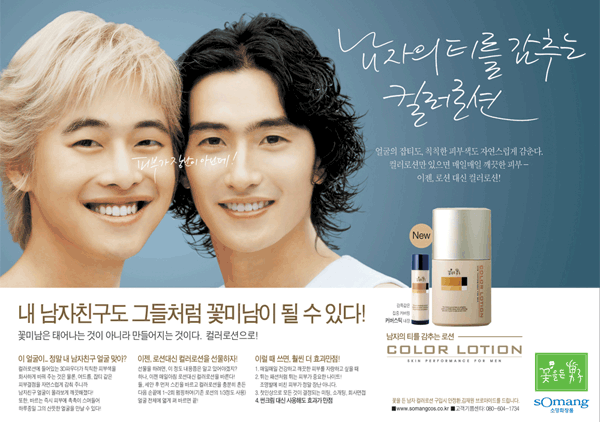
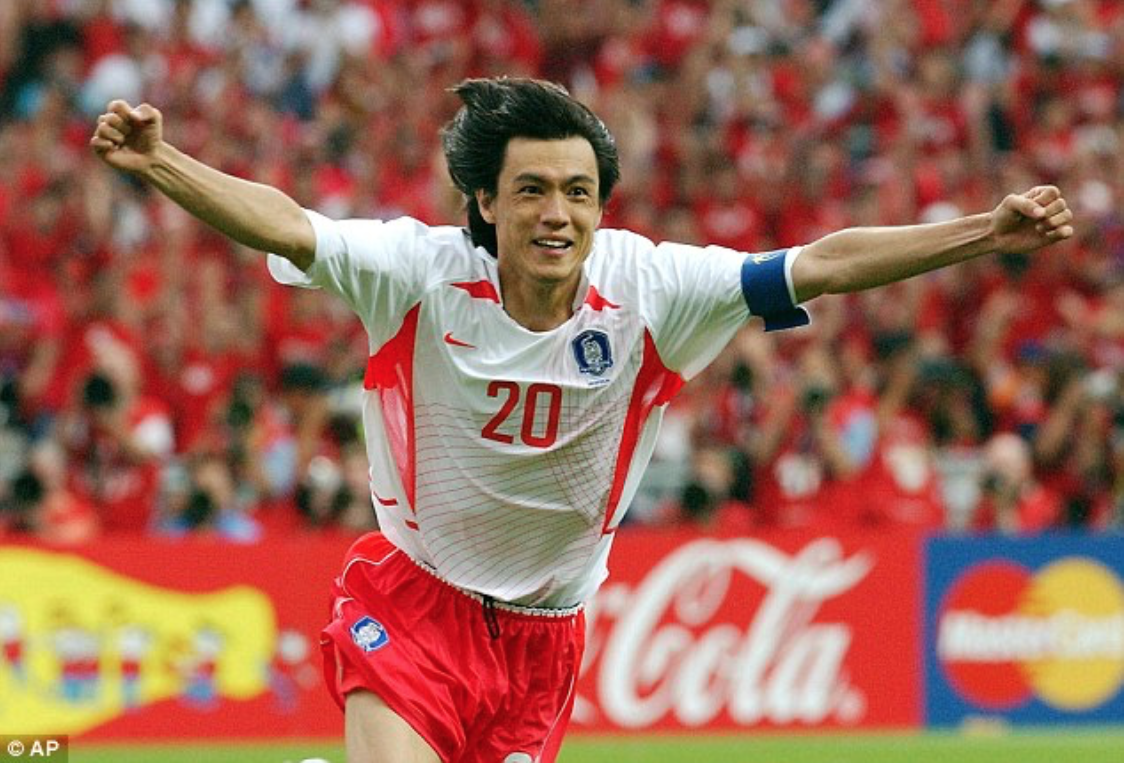
In the past, Korean male celebrities have been the face of products that are traditionally heavily marketed toward women, such as cosmetics. For example, Ahn Jung-hwan, a famous soccer player, starred in an advertisement for Somang Cosmetics alongside another man. In this ad they both look more feminine in their appearance, which contrasts Ahn Jung-hwan’s more masculine everyday appearance.
Similarly, BTS also does advertisements for cosmetics brand, but their appearance is typically more feminine already on a day to day basis. They wear androgynous clothing, which often includes skirts, and wear make up, something which falls outside of the gender stereotypes for men. This gender fluidity carries over into the products they endorse as well.
In their Commercial Film for VT Cosmetics, they don sparkly clothing, with bright colors and patterns, which are not traditionally popular styles for men’s clothing, and they are wearing jewelry and makeup which is also stereotypically atypical for men.
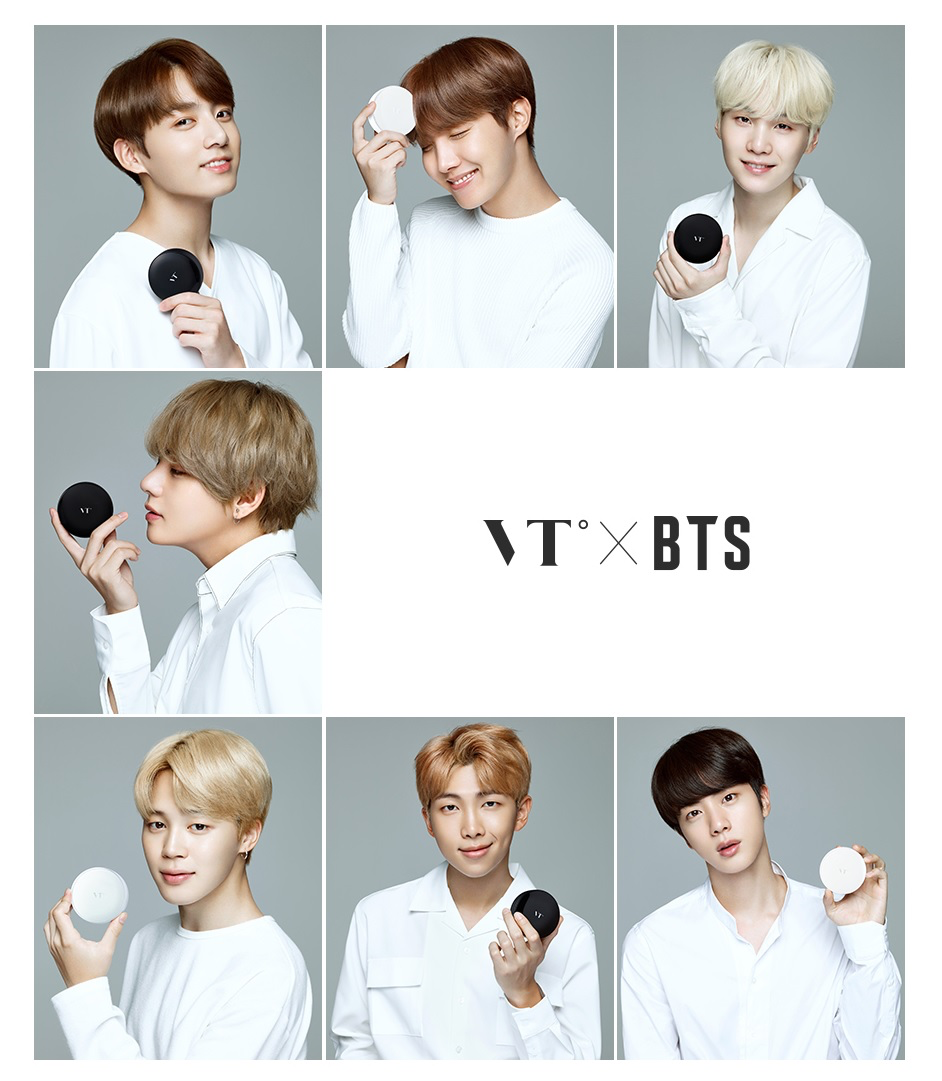
In the print ad for the brand, their more feminine looking facial features are highlighted and they are all smiling, which contrasts the stony faced, “Blue Steel” poses which are common for male models to utilize. Despite this, they still exhibit sex appeal, as evidenced by their large fanbase comprised of mostly young women. As John Fiske stated in “The Popular Economy,” “This power to construct meanings, pleasures, and social identities that differ from those proposed by the structures of domination is crucial, and the area within which it is exercised is that of representation” (544). BTS defies the norms in terms of gender presentation and their representation in ads gives them a broader audience to promote this gender breakdown.
While advertisements that focus on social issues detract from the product itself to instead create a conversation about society, I do not think that advertisements such as the above are going to spark a comprehensive revamping of society that eradicates the gender binary in its entirety and any stereotypes that accompany it. However, I do think that it provides representation, and promotes healthy conversation about certain social issues, and having Kpop stars such as BTS in ads that highlight social issues makes these issues more accessible to their younger fanbase: “…it is in the midst of popular culture where ‘moments of freedom’ germinate, critical openings well up, and alternative worldview emerge, from which something new might arise” (Fedorenko 359). I think that through pop culture, BTS is demonstrating that it is okay to venture outside of rigid gender norms, and I believe it is having an impact, especially on their younger audience, as evidenced in this article written by a young fan that mentions their “fluid aesthetic”: https://www.dazeddigital.com/music/article/42565/1/bts-gender-fluidity-teen-angst-column
Works Cited:
Olga Fedorenko, 2014, “South Korean Advertising as Popular
Culture,” The Korean Pop Culture Reader, 341 – 62.
John Fiske, 2009, “The Popular Economy,” in Cultural Theory and Popular Culture: A Reader, edited by John Storey, New York: Pearson Longman, 564 – 80.

 The Politics of K-Pop
I think one of the most important takeaways from this revolutionizing of gender constructs is that these kpop idols who sport this more ‘effeminate’ look are in fact not homosexual. By contrast, if a man in a western society were to dress in a more feminine way, they would have most certainly been pigeonholed as being gay, which is ironic given that eurocentric ideals are often touted as being progressive, liberal, etc. While great strides have been made toward mitigating the lack of representation and breaking binaries, it is however important to note that this too can be taken to an extreme. The flower boy look is one that is not easy to achieve; it demands painstaking labor, and often times surgical enhancement procedures that will break your bank. Plastic surgery has become a multi billion dollar industry and a ubiquitous practice among not only women but also men in recent years, given the growing regard for the flower boy / soft masculinity guise. There most definitely is a tradeoff that comes with this process: the mental and physical exhaustion of keeping up with an unrealistic standard. Popular culture can be a promising vehicle for change when leveraged the right way, but when there starts to be an overrepresentation of the most impeccably dressed superstars who have been perfectly crafted and carved to fit the golden ratio, this criterion will penetrate the psyche of the general public, especially the young ones that are most susceptible to the saturation of commercials featuring their favorite kpop band. This ideal will no longer be an ideal, but a true-to-life norm that they believe they too can partake in.
LikeLike