As I read Hye Seung Chung’s “Hating the Korean Wave in Japan: The Exclusivist Inclusion of Zainichi Koreans in Nerima Daikon Brother,” I was reminded of a book I read last semester called Pachinko. It’s about generations of a Korean family living in Japan during the Japanese invasions in Korea. Subject to discrimination, the family must work double, even triple as hard to survive in a prejudiced society while maintaining very traditional Korean family values. As the novel extends across several decades, those in the latter generations tend to adopt more Japanese mannerisms. For example, Noa wants to change his name to Japanese because he rejects his heritage. When his mother begins to sell kimchi to cope with financial struggles, Noa feels ashamed because of its pungent smell, so the kids at his school bully him. Living as a Zainichi, Noa is torn between his lacking allegiance to both Korea and Japan. While the Japanese looked down on the Koreans and coined the term “Zainichi” as derogatory, the Koreans disliked the Zainichis as well because they were seen as traitors. Having no real home, Noa tried to climb the social ladder in Japan by becoming more “Japanese,” but his eventual return to his family’s Pachinko business reveals that fate ties him down to his roots, despite his attempts to evade it. This can be compared to the Pachinko game itself, as flicking the ball is a symbol of a predetermined trajectory of one’s life since birth.
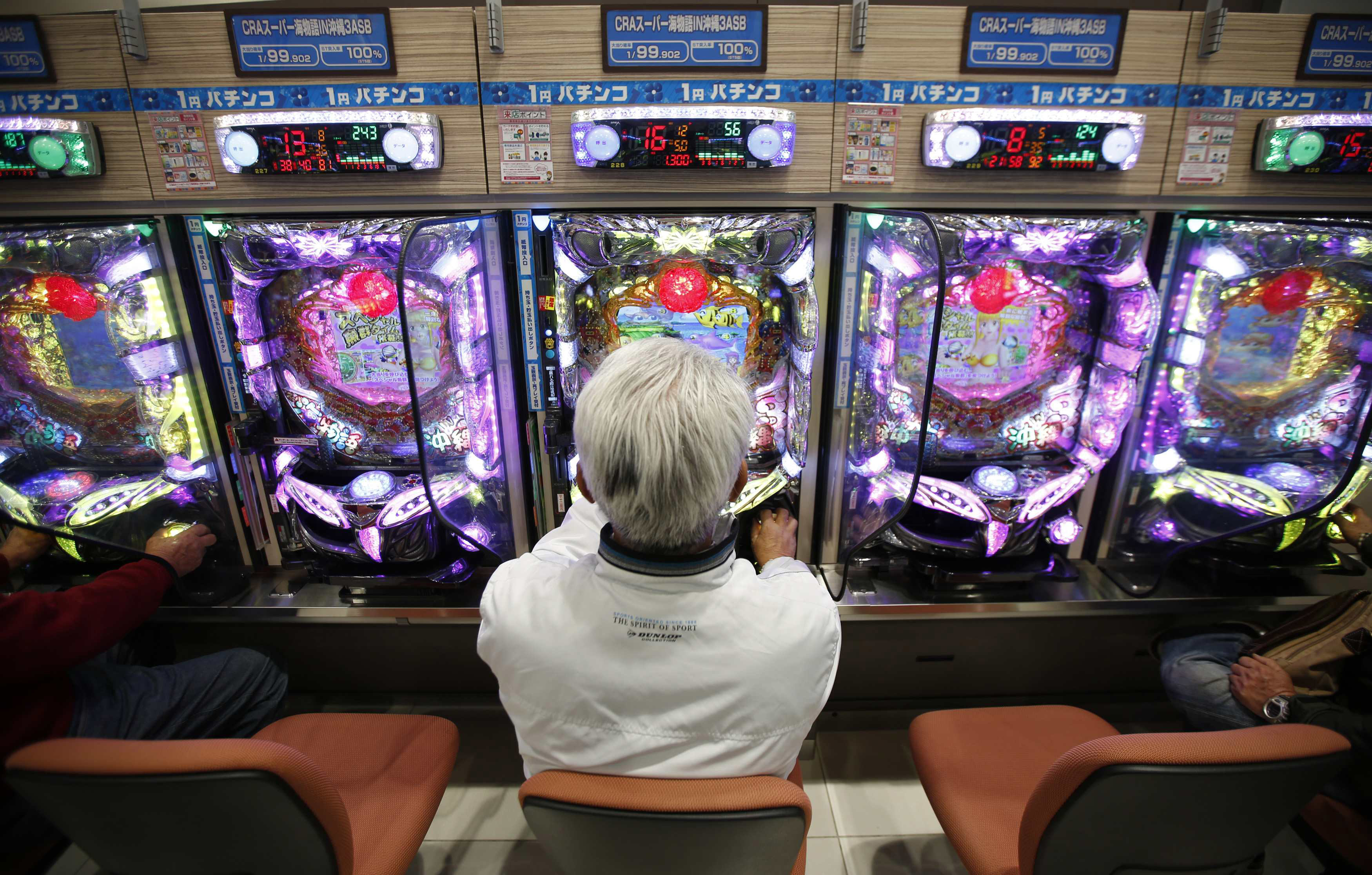
A pachinko parlor was typically the only way Koreans were somewhat accepted in Japanese society. However, with the rise of Hallyu, Koreans can find better social mobility and less prejudices due to the reflections of male leads in K-drama on Japanese consumers. The shift in attitude the Japanese public experienced due to Bae Yong Joon’s depiction of soft masculinity in Winter Sonata demonstrates the power of the media.
However, drawing correlations with Bae Yong Joon’s character and the average Korean creates a discourse on the growing expectations and even idolizing of Korean people. Winter Sonata caused Japanese women to fantasize Korean men as being soft and charming, and their desire to find someone like that pushes them to their limits. That can mean physical altercations to get a better view of one’s idol, or, today, the rise of sasaeng fans.

Sasaeng fans are those who have an unhealthy obsession with an idol member or group, and they either stalk their idol or pay large sums of money to encourage such illegal behavior. As I watched Michelle Moe’s YouTube video about her interview with an ex-sasaeng fan of BTS, I realized how complex and time-consuming being a sasaeng was. I got the chills when the fan said sasaeng fans were the happiest when they were in the same plane as BTS, because the idol group had no way to escape. After a BTS member used the restroom, some fans would go inside and spend an extended amount of time doing who-knows-what. Also, some sasaeng fans are extremely wealthy, and they have the time and money to go on first-class flights with their idol, or spend obscene amounts on a private picture. These fans are committing illegal acts, and they should be restricted from idols.
With the rise of Hallyu, Koreans are being accepted into Japanese society despite historical tensions. However, as some fans become too drawn to their idols, they can inflict harm through unhealthy obsessions and fantasies about K-pop stars.

 The Politics of K-Pop