In Constructing Desirable Bodies by Kimberly Huang, she discusses how sex workers in Vietnam alter their bodies in order to perform femininity to the standards of their male clients. In doing this they are not only making themselves more desirable, but also symbolically representing the economic growth for their country (Huang 135). Creating a desirable appearance often involves plastic surgery, and this is not only popular in Vietnam, but Korea as well, where there is an increasingly large consumer economy revolving around beauty enhancement procedures. The article, “The K-Pop Plastic Surgery Obsession,” discusses the links between the phenomenon of hallyu and plastic surgery procedures that are done to make young women look like K-Pop stars. The article points out that hallyu is not just limited to music, but it promotes beauty standards as well. K-Pop stars are essentially equated with beauty. Similarly to Huang, these young women getting these procedures highlight the fact that they are not modifying their bodies to fit Western ideals of beauty, but rather a uniquely Korean idea of beauty that is perpetuated in Korean culture and media: “Sex workers and their clients played a critical role in contesting hierarchies of race and nation by constructing new, distinctly non-Western ideals of beauty through the workers’ technologies of embodiment”(Huang 131). This article, like Huang, also points out the link between beauty and economic success. In a highly competitive market, women who are considered beautiful are more likely to get hired and paid more money, similarly to the Vietnamese sex workers who were rewarded for performing femininity with “high class” cosmetic procedures. “Beauty is prized almost everywhere in the world, but in South Korea its value is upfront and open. South Korean employers scrutinize the looks of the applicants — in search for physical attractiveness — in addition to their professional qualifications.”
Despite the plastic industry not being fueled by entirely superficial reasons, young women still feel immense pressure to be beautiful and often the way to do this is by investing in expensive, painful procedures. Some girls have accepted the fact that society will judge them regardless of if they get plastic surgery or not, so they feel they might as well look beautiful if they are going to be criticized. One girl in the linked video below, expresses her sadness with the plastic surgery industry in Korea. She said that growing up she would always compare herself to the people who had plastic surgery and feel inadequate. She said that even people who have had plastic surgery procedures claim they are “natural beauties,” which reinforces the idea that women should be naturally beautiful, even when those hailed as the most beautiful are not natural themselves. She points out that people around her began to lose their individuality because they were all getting the same procedures to look like the ideal form of beauty.
While plastic surgery in Korea and other Asian countries, including Vietnam can serve as a way to resist Western beauty ideals, a means for economic gain, and a way to establish geopolitical prominence, it can have negative effects on young women internalizing these ideas that a woman’s value is in her appearance.
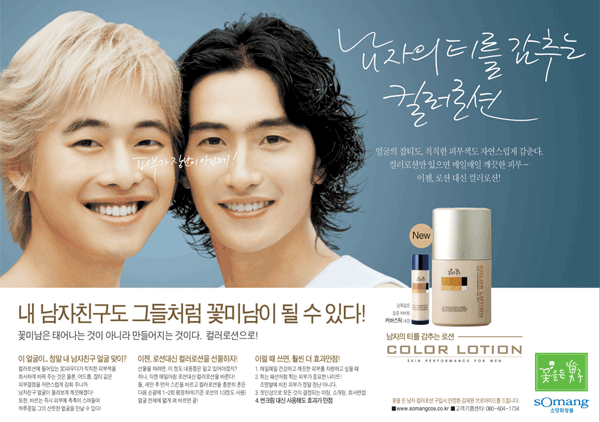
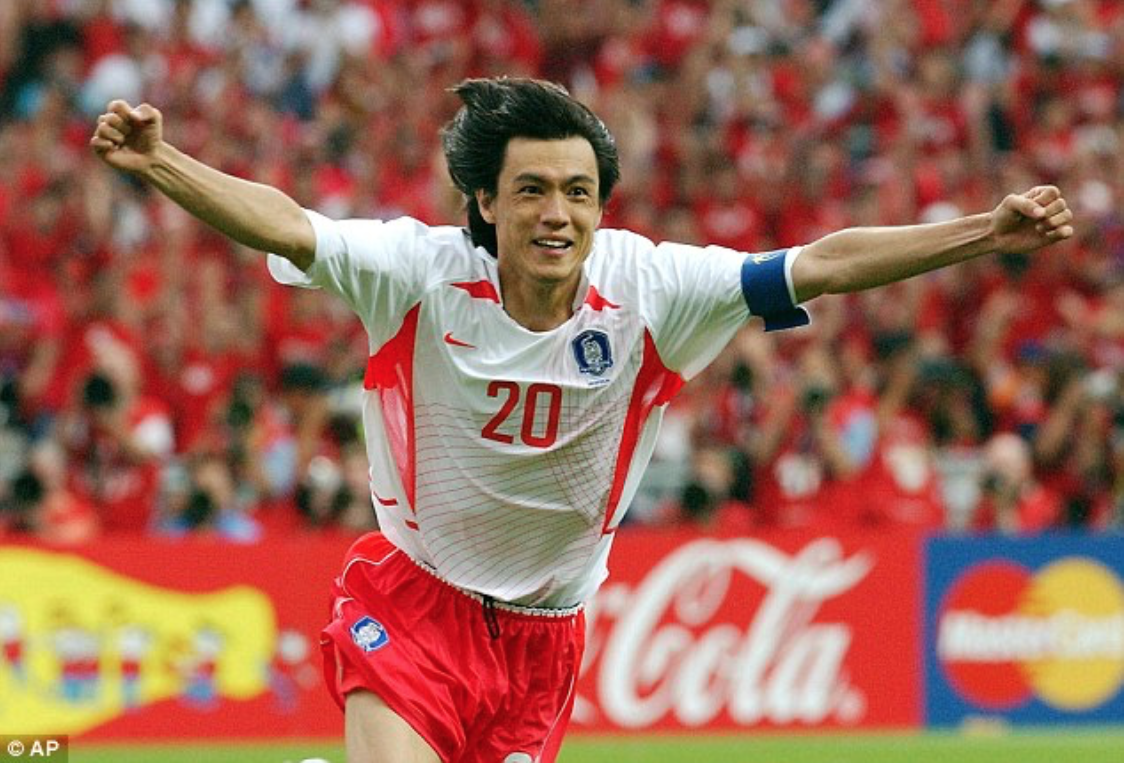
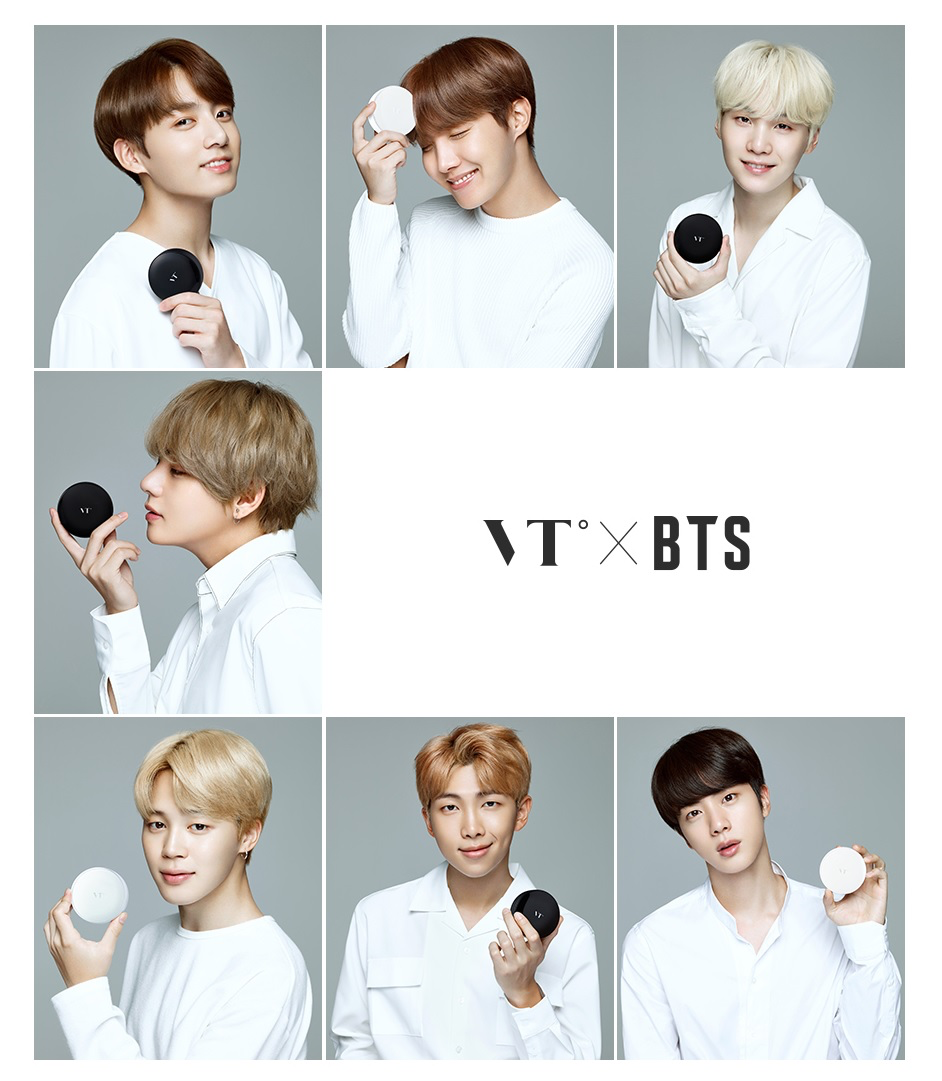
 The Politics of K-Pop