Fansubbing and Accessibility

This week’s readings hit closer to home because I am Japanese myself. Hirata’s piece really hit me personally because I remember teasing my babysitters, daycare teachers, and my grandma for loving Bae Young-Joon. I remember the trailer for Winter Sonata being played sporadically all the time, and thinking Bae was a woman before my grandmother quickly corrected me that he was a very handsome man. I was only 4 or 5 when I first encountered it, so I didn’t know what the show was about. All I knew was that Bae was on TV all the time, and women the age of my aunts and grandma were all obsessed with this man.

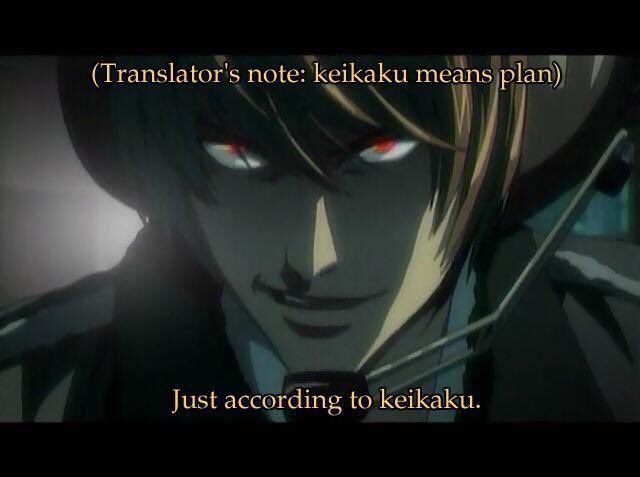
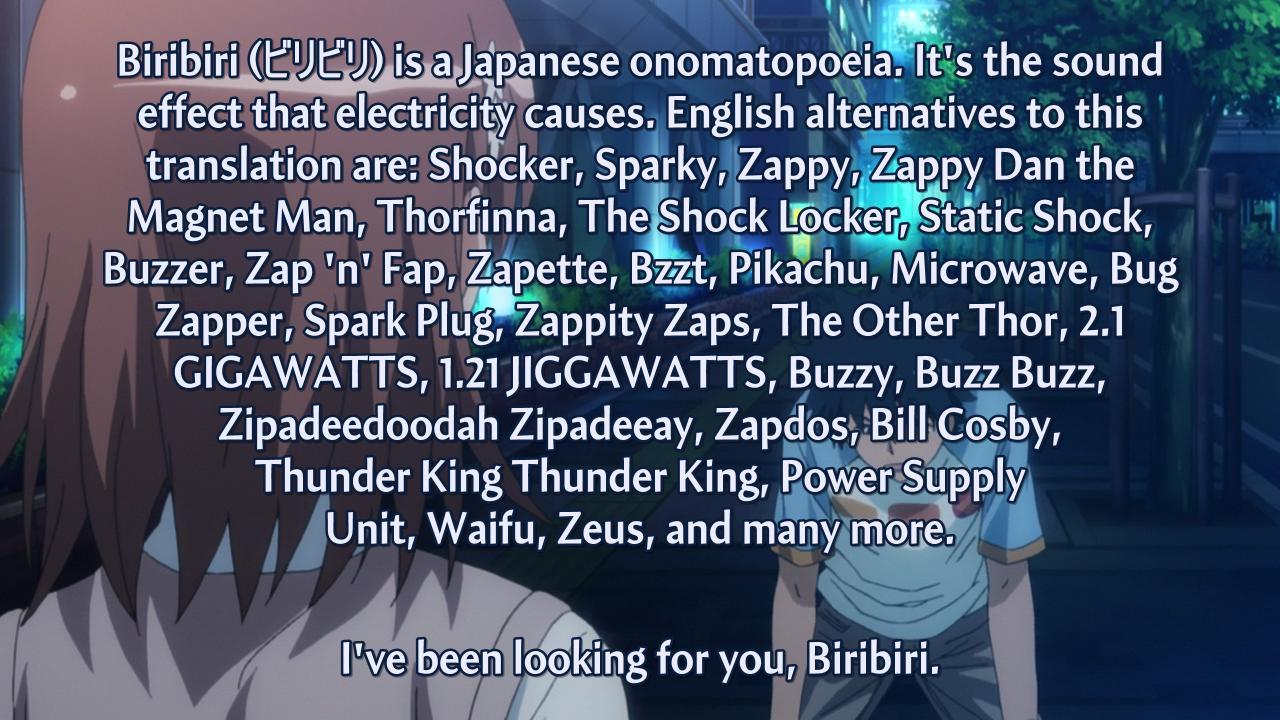
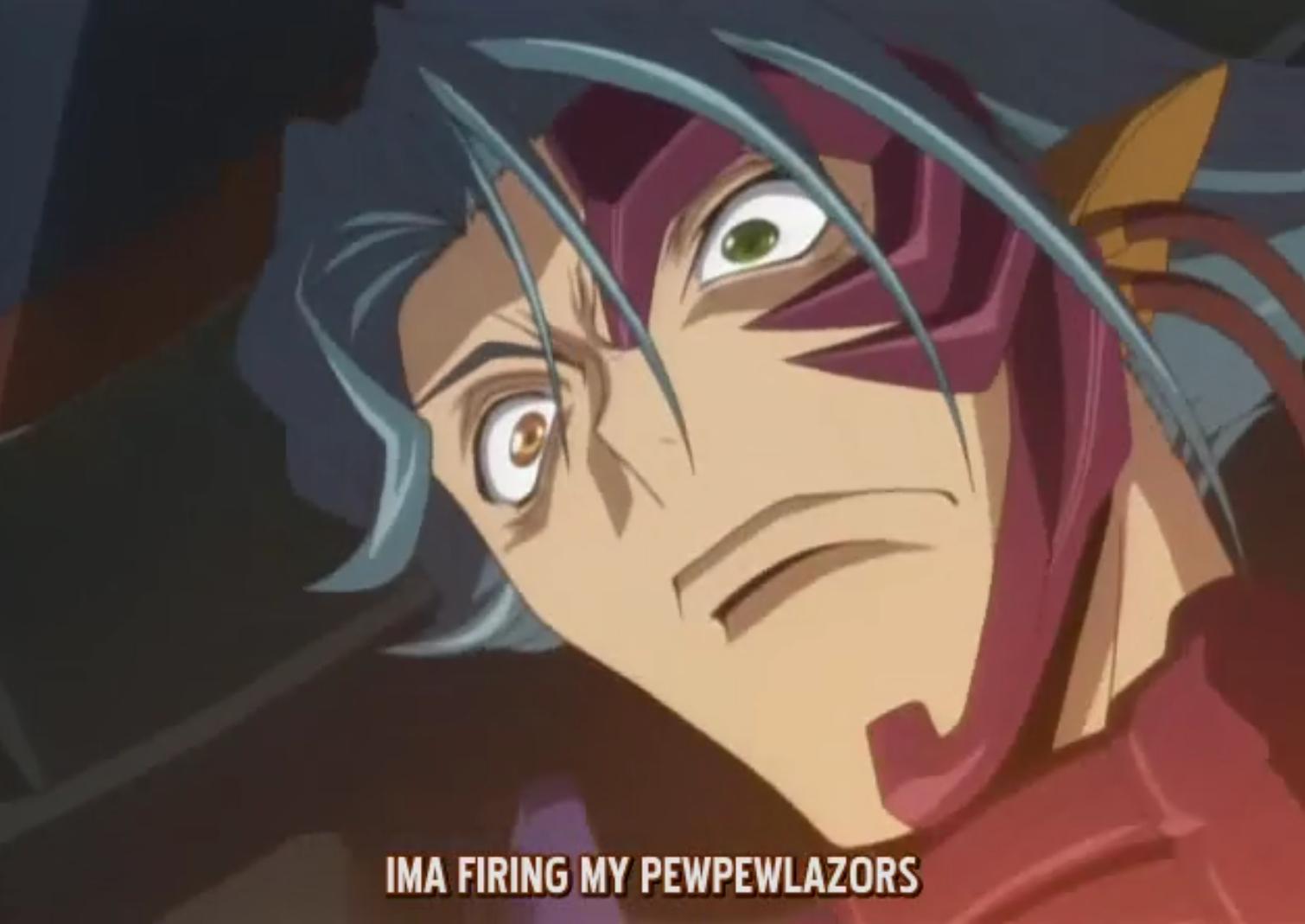
What I found interesting in conjunction to Lee’s piece revolves around accessibility and how access to KPOP had allowed Japanese women in particular (according to Hirata), to see Korea differently. In Lee’s piece, the topic of fansubbing was brought up, and I couldn’t help but be reminded of this tweet that talks about at time when Anime wasn’t officially subbed, but was fansubbed, and how hilarious translators’ notes are.
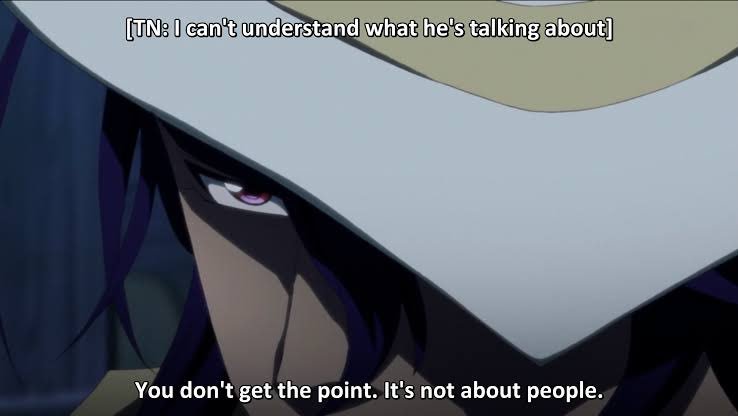
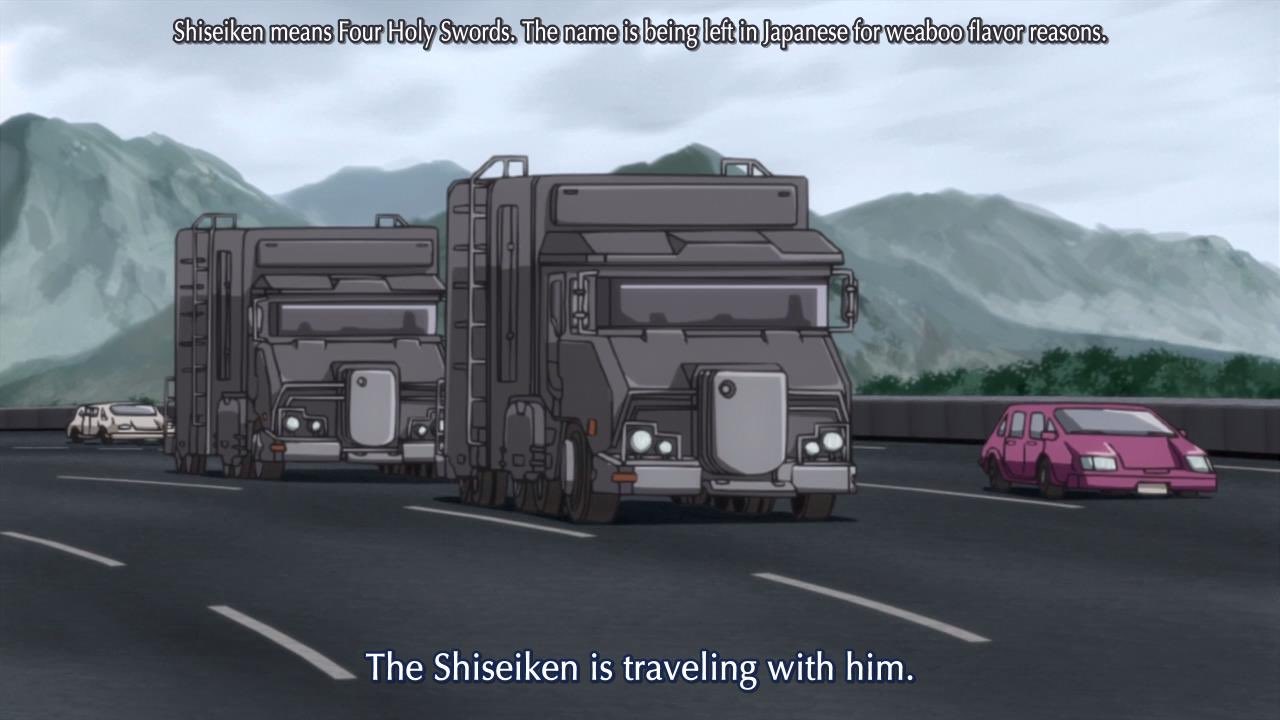
I found this discussion of fansubbing and translators notes particularly interesting because many times I sit there watching anime that is subbed, and realize that the translations are not exactly correct. This made me wonder what it would be like if Korea hadn’t changed its policy on ensuring Korean fluency when distributing in content. Another thing I noticed is that these translator’s notes act as conversation between one otaku to another, or one viewer to another. Suddenly, the viewing experience isn’t singular, but it feels like you’re watching it with someone else. In regards to this, there was a tweet in this thread that gave an example of subs on Thai dramas, and how translator’s notes feel like you’re watching the show with a friend.

In relation to Hirata’s piece, I wonder if JPOP like the original Hana Yori Dango (Boys Over Flowers) had done anything for Korean viewers to see Japan any differently. If women in Japan fawned over KDrama character and plot’s nostalgic and fantastical quality, did making a Korean version of a Japanese anime have anything to do with their perception of Japan? Was it simply because they saw Japanese anime culture was popular so they adapted it as a business endeavor? Or could there possibly be a case where despite historical and political tensions, they saw Japanese people or their culture as something else the way Japanese people viewed Koreans? And with the rise of accessibility to KPOP and JPOP, what does that mean for the respective countries when it comes to cultural exchange?

YouTube As The New AFKN: Finding Genre Hybridity In KPOP Music Videos

Christina Klein discusses the unplanned consequences of the AFKN in South Korea, highlighting how the AFKN had immense influence on critically acclaimed Korean filmmakers/directors. She states that because of the language barrier, Korean audiences, one of them being the director of The Host, had purely absorbed his understandings of genre through visuals and semiotics. This allowed him to view genre in a way that was different to what the Hollywood industry did, and thus gave him more freedom in playing with genre and not feeling pressured by genre constraints.

What immediately came to my mind in Klein’s discussion is how YouTube acts as the new way of accessing foreign cultural products, and how KPOP music and its videos not only reflect past iconic production from Western pop culture, but also reinvents it by not conforming to genres. Perhaps that is why it is so hard to define what KPOP is, or what KPOP sounds like or looks like because just like what the AFKN had done for Korean filmmakers, YouTube has allowed the KPOP industry to be exposed to a multitude of cultural production that they then can incorporate into their own. In this post, I want to examine one particular music video to not only dissect the different genres being included in the song, but also how the videography and music video concept is a hybridization of different cultures.

Hate // 4Minute

4Minute’s Hate music video currently stands at over 54 million views. Having it be co-produced by Skrillex has not only helped boost its status but also exemplifies the hybridity of the song from the production standpoint. It starts off as almost a sad ballad, then transitions into a more R&B style, then the drop/chorus is a very heavy trap/bass/edm style song, and then the next verse begins as a slow rap. Within the first half of the song, 4 different “genres” of music can be heard, and yet the song overall doesn’t feel like a definable genre. Having Skrillex as a producer is an important fact as he has been making music in a pop punk band, and then more famously known as an EDM producer. Having worked with artist from all genres of music from Justin Bieber, to Diplo, to The Weekend, and A$AP Rocky, utilizing his work for Korean music (that is known to be a hybridity of genres) was a smart choice.

In terms of the visuals, the first shots are very rosy, and romantic, then transitions into a desert scene. For whatever reason, I immediate felt a sense of deja vu. I then did some digging and realized that the desert scene was reminiscent of Coming Home by Dirty Money ft. Skylar Grey. Take a look:

The main drop is obviously an ode to hiphop culture with the suit and timbs, an ensemble that has been seen over and over again in US hiphop culture. This isn’t to say that 4Minute’s videographers decided to copy Dirty Money’s music video. What I’m trying to get across is that Coming Home was a very popular song in 2010, and we see this desert concept being used not only in 4Minute’s work but in many other KPOP music videos. YouTube has allowed groups like 4Minute to gain access to other visual cultures to gain inspiration and play around with it. What makes Hate stand out against Dirty Money’s music video is that while his music video is very monotonic, 4Minute’s is more vibrant and uses the desert shot more strategically to match the tone and lyric of the song.

I think it can definitely be argued that YouTube can be seen as the new AFKN, despite it not being a political endeavor. The consequences of the gained access to YouTube is no doubt very similar to the consequences of the exposure to AFKN. Korean artists in the KPOP industry can utilize whatever visual/audio culture they absorb on YouTube and proceed to make a product that is never tied to one specific genre, rather, plays around with all of the genres to create something that is both aurally and visually stimulating.