In addition to Japan, Latin America, and South East Asia being on the receiving end of Hallyu’s influence, another notable country that has had popular culture change is Mainland China. Most of my experience with Hallyu in Mainland China is anecdotal and limited to Shanghai, but I believe that Hallyu has had some strong influence in other parts of the country. One of the ways that Hallyu has manifested in Mainland China is the use of “Korean-ness” as a brand. This can be seen on a search on Taobao, a popular shopping site in China. I’ve been told by friends that when shopping for clothes on Taobao, that a search for “韓式衣服”, or Korean-style clothes, is the best way to find fashionable clothing.
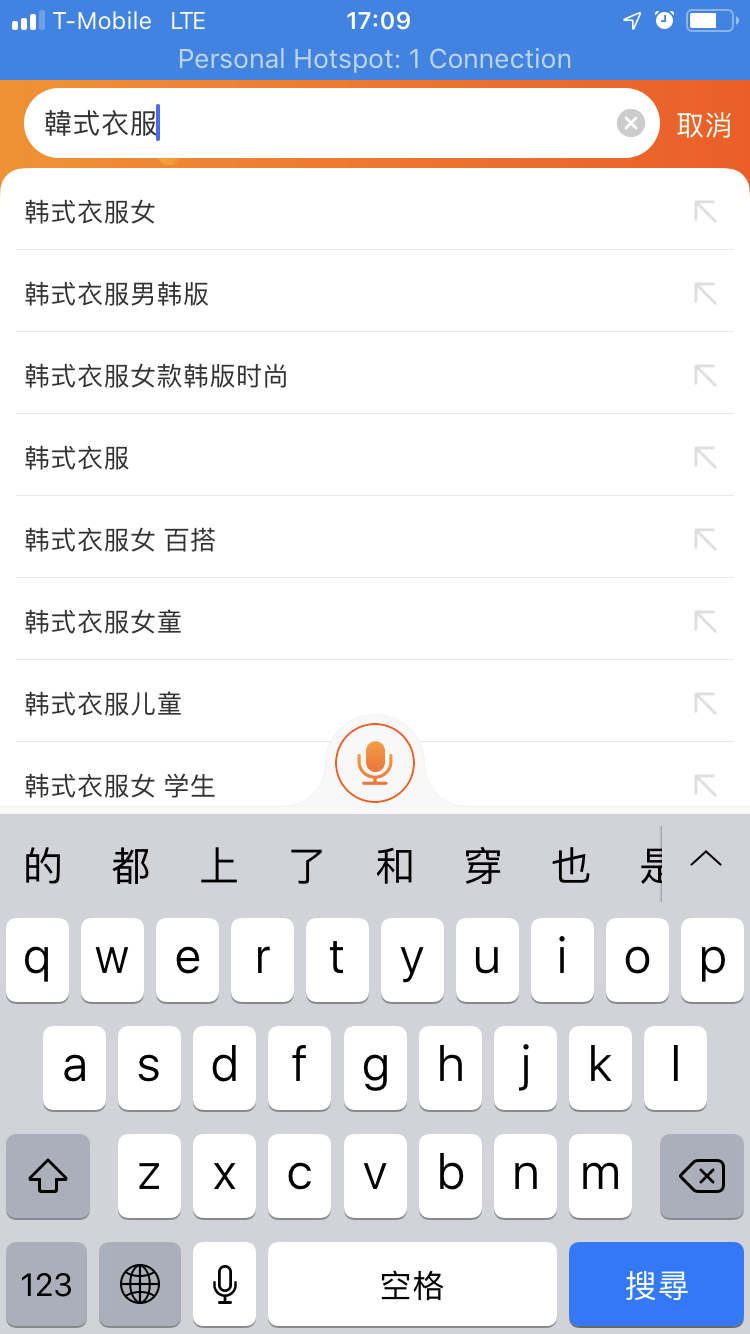
Although I’m not sure if these clothes are actually reflective of current fashion trends within Korea, the popularity of branding as Korean shows in real life, as much of the clothing results I’ve been able to find on Taobao are visible when walking on the streets of Shanghai. A notable example of the supposed trend transfers from Korean to China in regards to fashion is the prominence of Canada Goose jackets. Apparently, the popularity of Canada Goose first arose within Korea and its diaspora, then transferred to China and the Chinese diaspora. Although the winter season has already come to an end, Canada Goose was able to remain popular throughout, even in light of the controversial arrest of Huawei’s (a Mainland Chinese company) CFO in Canada which brought about much negative sentiment towards Canada within Mainland China.
On top of clothing trends, much of the similar trends worldwide in regards to Hallyu also apply in China. Dramas, TV shows, films, and Kpop, in general, are popular among younger Mainland Chinese people, despite the government’s opposition to Korean and foreign media in general. With a growing middle-class and increased interest in Korean media, Hallyu has also led to an increase in Chinese nationals travelling to Korea. In addition to its reputation of fashion and media, Korea is also recognised as a leader in cosmetics, with many local brands using names and Hanguel in an attempt to be perceived as Korean.
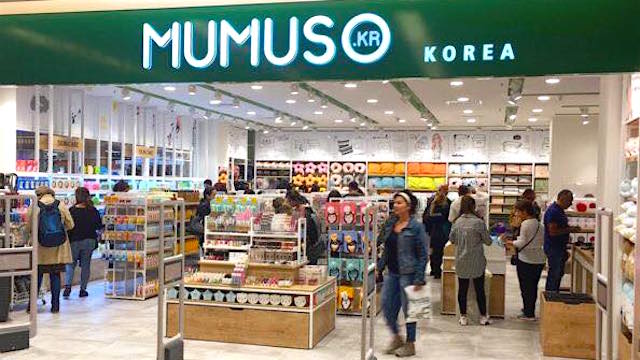
A notable example of this is the “MUMUSO” chain. (I believe that MUMUSO is a copy with Korean branding of the other Chinese chain Miniso, which is based on some hybrid between Daiso and MUJI?) MUMUSO is similar to Daiso where one can find everyday household items as well as cosmetics. Notably, MUMUSO typically brands itself as MUMUSO Korea with a website that ends in “.co.kr” to lend itself even more “legitimacy” as a Korean company and features goods covered in Hangeul labelling. The company, however, is based within China and I’ve been told by my Korean friends that the labels are non-sensical. I raise MUMUSO as an example of how lucrative “Korean branding” has become within Mainland China which, I believe is reflective of Hallyu’s impact in the region.
 The Politics of K-Pop