In addition to Japan, Latin America, and South East Asia being on the receiving end of Hallyu’s influence, another notable country that has had popular culture change is Mainland China. Most of my experience with Hallyu in Mainland China is anecdotal and limited to Shanghai, but I believe that Hallyu has had some strong influence in other parts of the country. One of the ways that Hallyu has manifested in Mainland China is the use of “Korean-ness” as a brand. This can be seen on a search on Taobao, a popular shopping site in China. I’ve been told by friends that when shopping for clothes on Taobao, that a search for “韓式衣服”, or Korean-style clothes, is the best way to find fashionable clothing.
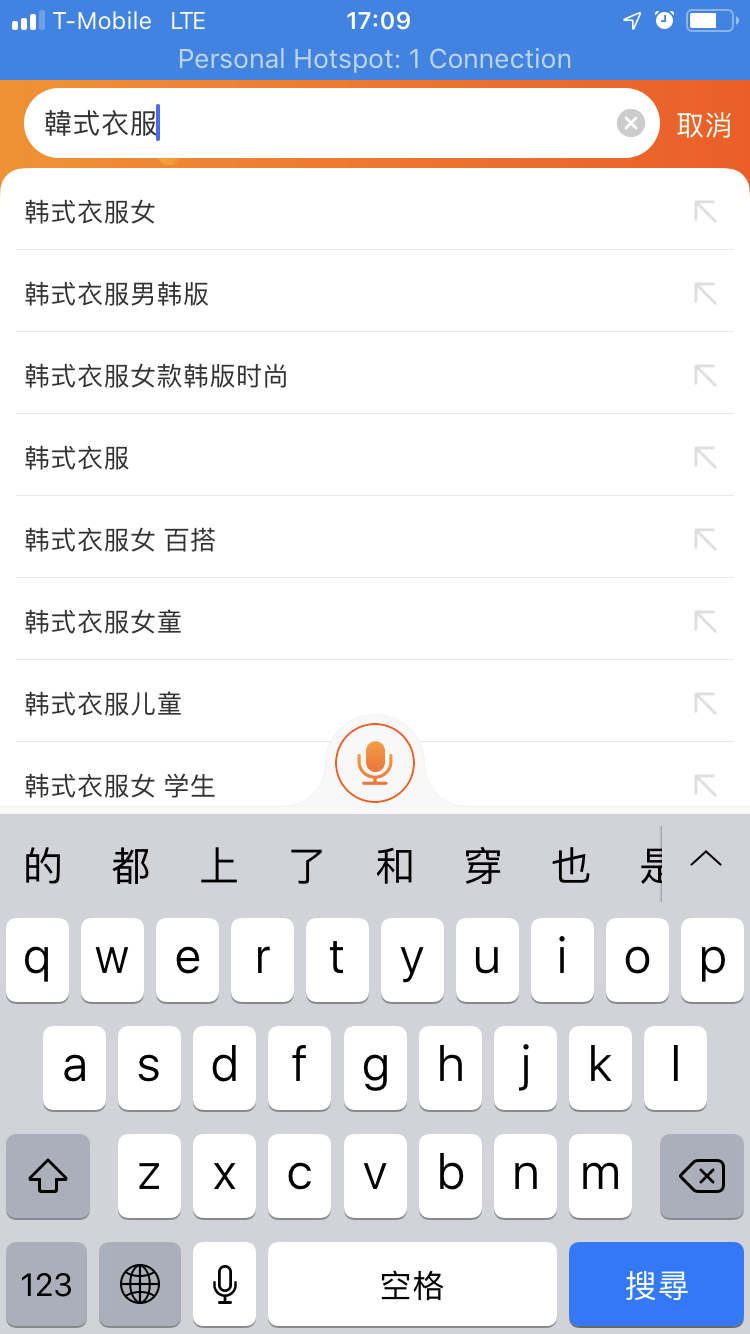
Although I’m not sure if these clothes are actually reflective of current fashion trends within Korea, the popularity of branding as Korean shows in real life, as much of the clothing results I’ve been able to find on Taobao are visible when walking on the streets of Shanghai. A notable example of the supposed trend transfers from Korean to China in regards to fashion is the prominence of Canada Goose jackets. Apparently, the popularity of Canada Goose first arose within Korea and its diaspora, then transferred to China and the Chinese diaspora. Although the winter season has already come to an end, Canada Goose was able to remain popular throughout, even in light of the controversial arrest of Huawei’s (a Mainland Chinese company) CFO in Canada which brought about much negative sentiment towards Canada within Mainland China.
On top of clothing trends, much of the similar trends worldwide in regards to Hallyu also apply in China. Dramas, TV shows, films, and Kpop, in general, are popular among younger Mainland Chinese people, despite the government’s opposition to Korean and foreign media in general. With a growing middle-class and increased interest in Korean media, Hallyu has also led to an increase in Chinese nationals travelling to Korea. In addition to its reputation of fashion and media, Korea is also recognised as a leader in cosmetics, with many local brands using names and Hanguel in an attempt to be perceived as Korean.
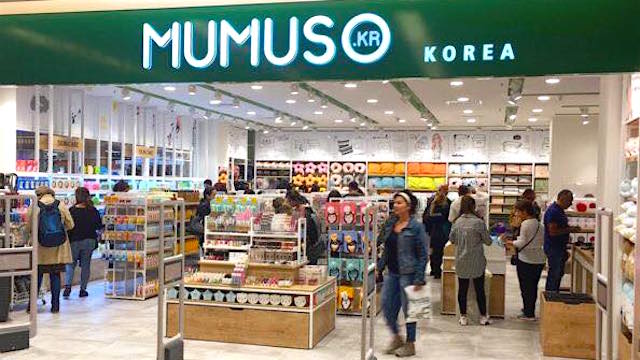
A notable example of this is the “MUMUSO” chain. (I believe that MUMUSO is a copy with Korean branding of the other Chinese chain Miniso, which is based on some hybrid between Daiso and MUJI?) MUMUSO is similar to Daiso where one can find everyday household items as well as cosmetics. Notably, MUMUSO typically brands itself as MUMUSO Korea with a website that ends in “.co.kr” to lend itself even more “legitimacy” as a Korean company and features goods covered in Hangeul labelling. The company, however, is based within China and I’ve been told by my Korean friends that the labels are non-sensical. I raise MUMUSO as an example of how lucrative “Korean branding” has become within Mainland China which, I believe is reflective of Hallyu’s impact in the region.

 The Politics of K-Pop
Your blog post definitely brings up some interesting, telling observations about the impact of Hallyu, as well as Hallyu-hwa, in other countries. As you noted, mainland China is inarguably one of the countries where Korean culture has had the biggest influence. The THAAD missile crisis did have a tangible, negative effect on Chinese attitudes towards Korea, including Hallyu, as the Chinese government placed a sort of travel ban on tourism companies or tour groups from going to Korea, forbidding “both online and offline travel agencies to sell trips to South Korea. The ban affects all types of Chinese tourism to South Korea, i.e., group travel, individual travel, and cruises.” However, tourism in Korea soon began to rise again in 2018 and 2019. On one hand, Chinese tourists cause major congestion in South Korea, a country who already experiences population density, but on the other hand, it is an obvious economic boost. Speaking from personal experience and the experience of friends, Chinese tourists go to Korea as, above all, a shopping destination. As mentioned in your blog post, Korean cosmetics are highly sought after not only in China, but much of East and Southeast Asia. It is almost as common to hear Chinese being spoken as Korean in Myeongdong, a popular shopping street in Seoul. Due to the popularity of these products, Chinese citizens who cannot afford to fly to Korea for a shopping trip every so often have to depend on resellers. Known in Chinese as daigou, the practice of reselling Korean goods at a higher price in China is technically illegal if the products are not declared at customs. This is one example of the lengths that people will go to purchase Korean products, especially beauty products, and another testament to the overall success of Hallyu and Hallyu-hwa in one of Korea’s closest neighbors.
https://jingtravel.com/chinas-south-korea-travel-ban-what-you-need-to-know/
LikeLike
The Korean-ness in fashion is very prominent in China. It is interesting to see how, through k-pop and Korean drama, people have made up a style that is particularly Korean. For example, the Korean style for women is usually very feminine. Korean female outfits may include short skirts with a tight t-shirt tucked into the skirt. Or, the outfit can be a flowy white shift with jeans. As for men’s Korean outfit, it will usually include mid-waist pants with shirt tucked into them. If one wants to purchase a Korean styled outfit, one can simply type in Korean-style in Chinese and can find thousands of outfits that look distinctly similar. Also, when I walk on the street, I can also easily identify a Korean styled outfit. This Korean-ness is not exclusive to outfits but also makeup. Korean make up is characterized with straight eyebrows, pale skin and red lips. Even though, in China, people have also created this style that is distinctive to European or American, Korean style is particularly interesting as it is derived from the Korean wave. It is impressive to see that the clothes and makeup that Korean idols and other Korean celebrities wear can be such trend setters and guide people to follow a certain style.
LikeLike